P E N S  O F  N O T E

Stipula Etruria Alter Ego

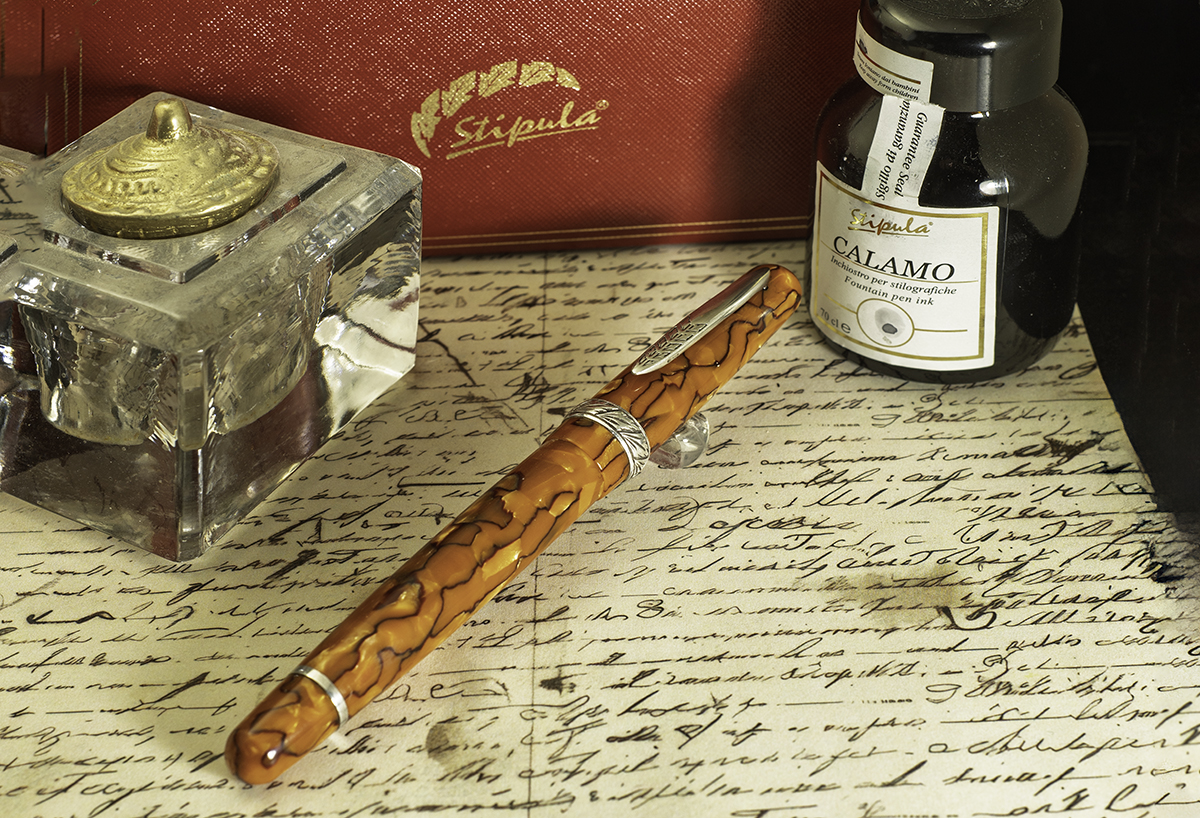
The Stipula Etruria Alter Ego fountain pen is a Stipula classic. The pen was first issued by Stipula in the early 2000s and over the years it has been released in different versions. The original pen was was fitted with an 18 kt gold nib along with a piston fill. Later versions with a 14 kt nib and also some with a cartridge converter ink filling and holding mechanismn.

I acquired my pen in 2009 and was able to get what I call the original model, celluloid, piston fill, sterling silver trim, and a 18 kt gold nib.

Stipula Etruria Alter Ego - Pens of Note - glennspens


An Iconic Pen of Stipula

Stipula refers to the Etruria line as an iconic line for the company. Etruria is the ancient Roman name for the area we know today as Tuscany. The pen line is iconic based on the large following selecting this particular model. The smooth soft lines of its ovoid shape makes the pen a pleasure to hold. The clip and cap band are in sterling sliver and solid 9 kt gold, designed with a Florentine goldsmith style -- cast by the so called lost wax process. The Etruria was made with a beautiful celluloid acetate of orange, with brown, mother of pearl tones and blac veins. The Etruria first were fitted with a .750 two-tone rhodium-plated 18 kt gold nib with an iridium tip. The inital releases were each numbered. That practice stopped in 2001.

But right now I am referring to one particular pen, the Etruria Alter Ego. A pen made from beautiful orange celluloid with lines of black, of which some are also lined with red. The celluloid is so smooth and warm to the touch.

In 2016, the Alter Ego was released in the Magnifica model. That model is a larger size, primarily with the diameter of the pen. It also uses a cartridge convertor ink system. I believe they produced 351 of the Magjnifica model.

Stipula Etruria Alter Ego, pens of note, glennspens


Etrucia - An Icon of Stipula 

In Your Hand

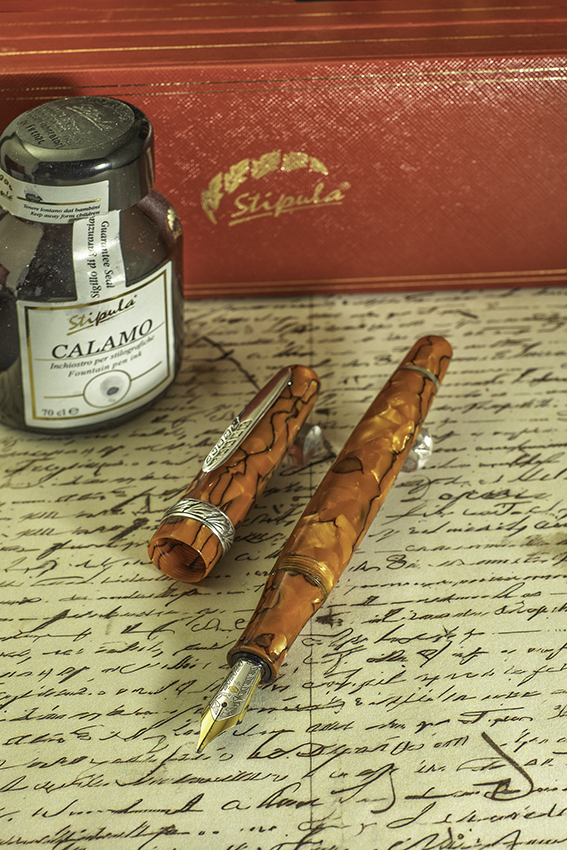
My pen sits very comfortably in my hand. The pen has weight, because of the internal piston mechanism, but you never get the feeling you holding a somewhat heavy pen. The cap screws on/off, and can be posted to the body when you write.

The Celluloid

The Alter Ego uses an extremely attractive celluloid. A beautiful orange/brown pen, with marbled flecks of mopther of pearl and light browns. Black veins run the length of the pen, from a distance they look as if they are just black, but up close they are black with parallel lines of red. As a visual bonus there are a few red spots in the overall pattern. Very attractive. I believe this pattern of celluloid is now exhausted and no more can be produced.

The Nib

Being one of the early releases, the 28 kt gold nib is a very smooth writer. Just about the time this this pen was being released Stipula was moving from using gold nib blanks produced by Bock, and then doing the finishing work in house, to using the equipment they acquired from the closed Globus pen company of Bologna to totally produce their own gold nibs. My nib is a Stub 1.1 width and certainly goes with my writing style.

Ink System

The pen fills with a piston, and it holds a good generous amount of ink. It is called a self-cleaning piston as the piston head spins as it travels up and down the piston chamber performing a "cleaning". As with all Stipula pistons, be aware that a Stipula piston operates in reverse to all others!

Stipula Etruria Alter Ego, pens of note, glennspens

The Clip

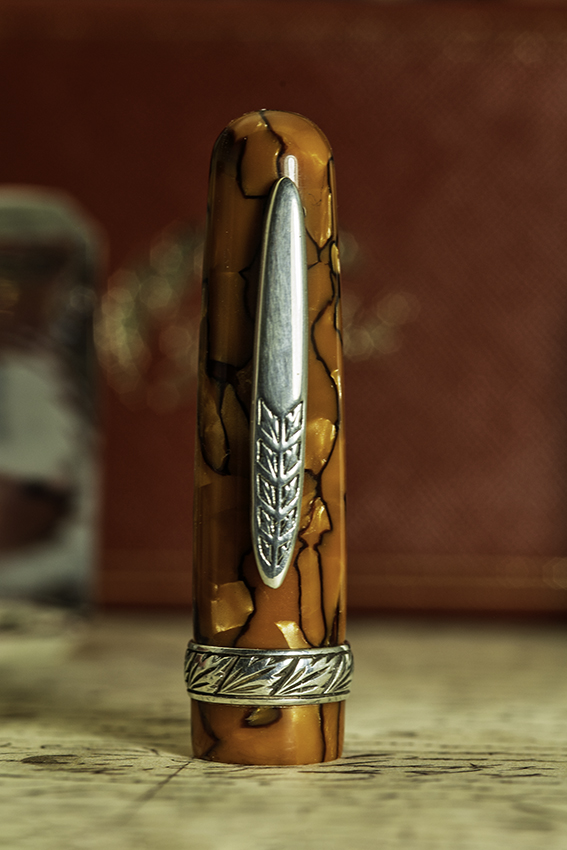
The pattern on the clip reflects wheat, an important part of ancient traditions. The latin word stipula translates to "little straw" or stalks of grain. In ancient Rome parties would seal agreements by each holidng the end of a staw and break it together.

The Cap Ring

The cap ring has a repeating patterns of leaves. The veined leave symbolizes the act of writing. Veins draw up sap through a plant, capillary action draws up ink through to the nib.